Ekle: NYaqian Yolu No128 Yaqian Kasabası Xiaoshan Hangzhou Zhe Jiang Çin.
Tel: 0086-0571-82602080
Faks: 0086-0571- 82758132
E-posta: [email protected]
1. Soft fabrics Soft fabrics are generally light ve thin, with good drape, smooth modeling lines, and natural stretch of clothing outlines. Soft fabrics mainly include knitted fabrics and silk fabrics with scattered fabric structures, as well as soft and thin hemp yarn fabrics. Soft knitted fabrics often use straight and concise shapes in clothing design to reflect the graceful curves of the human body; silk, hemp yarn and other fabrics are often loose and pleated, showing the flow of fabric lines.
2. Very cool fabrics The cool fabrics have clear lines and a sense of volume, which can form a plump clothing outline. Cotton, polyester-cotton, corduroy, linen, and various medium-thick wool and chemical fiber fabrics are commonly used.
3. Glossy fabrics Glossy fabrics have a smooth surface and can reflect light, giving them a sense of brilliance. Bu tür kumaşlar arasında saten yapılı kumaşlar yer alır. Most commonly used in evening gowns or stage costumes, it produces a gorgeous and dazzling strong visual effect. The glossy fabric has a wide range of freedom in the performance of the dress, and can have a simple design or a more exaggerated modeling method.
4. Thick and heavy-duty fabrics Thick and heavy-duty fabrics are thick and scratchy, and can produce stable modeling effects, including all kinds of thick woolen and quilted fabrics. The fabric has a sense of physical expansion, and it is not appropriate to use too many pleats and accumulations. In the design, the A-shaped and H-shaped shapes are the most appropriate.
5. Transparent fabrics Transparent fabrics are thin and transparent, with elegant and mysterious artistic effects. Including cotton, silk, chemical fiber fabrics, etc., such as georgette, satin silk, chemical fiber lace, etc. In order to express the transparency of the fabric, the natural and plump lines are often used, and the H-shaped and circular cone-shaped design shapes are rich in changes.
6. Functional fabrics Functional fabrics are fabrics with special functions, such as flame retardant, anti-static, anti-acid and alkali.
Tekstil kumaşının türü nasıl belirlenir?
1. Sensory identification method The sensory identification method mainly includes the methods of seeing, touching, listening, and smelling. First, the categories of fibers or fabrics are initially distinguished, and then the sensory characteristics of fibers in the fabric are used to further judge the type of raw materials. , make the final judgment based on the sensory characteristics of the fabric. If you are not sure about the judgment, you can use other methods to verify it.
2. Yanma tanımlama yöntemi Farklı tekstil kumaşları farklı yanma özelliklerine sahiptir. Pamuk lifleri ateşle karşılaştığında yanar. The burning speed is fast, producing yellow flames and smelling. Hemp fiber burns very fast, softens, does not melt, and does not shrink. Yün alevle temas ettiğinde hemen yanmaz. It curls first, then smokes, and then the fiber foams and burns. Silk burns relatively slowly, melts and curls, shrinks into a ball when burned, and smells like burning hair. The burning behavior of viscose fiber is basically similar to that of cotton, but the burning speed of viscose fiber is slightly faster than that of cotton fiber, and there is less ash. Acetate fiber, burns fast, has sparks, melts and burns, and has a pungent acetic acid smell when burning.
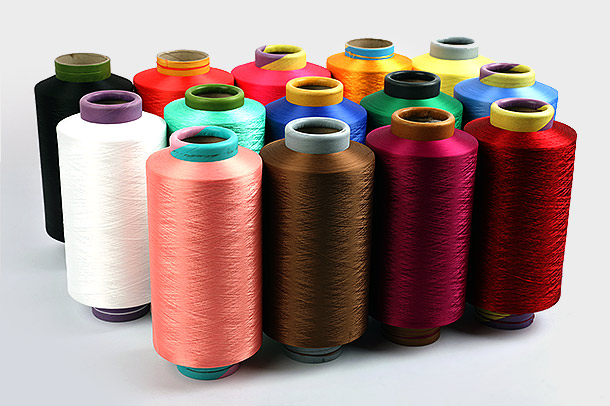
Zhejiang Hengyuan Kimyasal Elyaf Group Co., Ltd. bir profesyonel Çin polyester eriyik boyalı iplik üreticileri and polyester eriyikten boyalı iplik fabrikası , 2006 yılında YaQianTown Xiaoshan Hangzhou'da kuruldu - Çin'deki polyester iplik endüstrisinin merkezlerinden biri.

Zhejiang Hengyuan Kimyasal Elyaf Group Co., Ltd. bir profesyonel Çin polyester filament iplik üreticileri ve polyester renkli iplik tedarikçileri2006 yılında kurulan YaQianTown Xiaoshan Hangzhou - Çin'deki polyester iplik endüstrisinin merkezlerinden biri.
Ürünler
İletişim bilgileri
Telif hakkı © Zhejiang Hengyuan Chemical Fiber Group Co.,Ltd. All rights reserved